What is an astrology
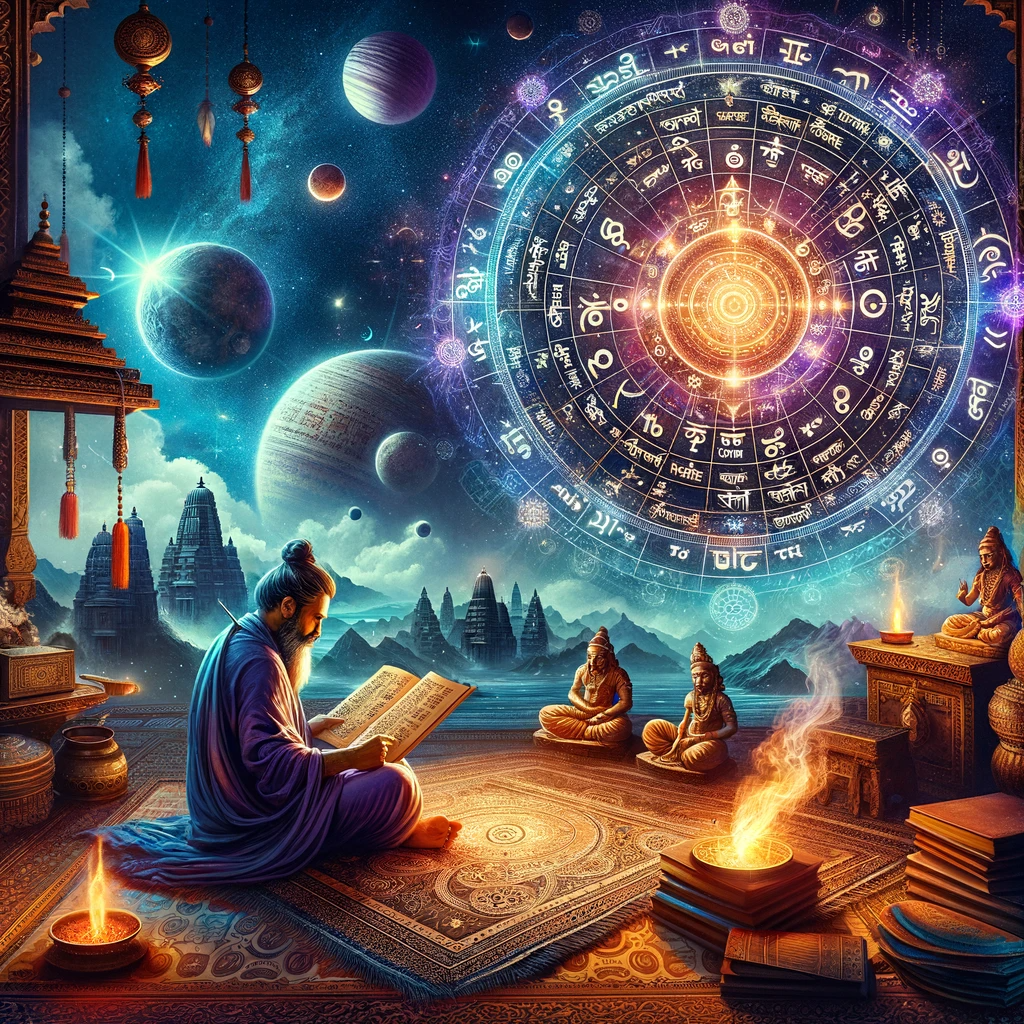
As as we all know Indian astrology, also known as Vedic astrology, is deeply rooted in the ancient wisdom of the Vedas. It glorify a rich tapestry of cosmic insights and cultural significance.
This article is about the key elements of Indian astrology, including its historical background, fundamental principles, and its role in prosperity of individuals' lives.
Historical Roots: Indian astrology has ancient origins, with its roots traced back to the Vedas, the oldest sacred texts of Hinduism.
The Vedas contain hymns that discuss astronomical phenomena and their influence on earthly events. Over time, these insights evolved into a systematic astrological framework.
Foundations of Vedic Astrology Vedic astrology is based on the concept of karma and reincarnation. It asserts that celestial bodies' positions at the time of one's birth influence their life path and destiny.
The system comprises twelve houses, each representing different aspects of life, and nine planets, including the Sun and Moon.Birth Chart (Kundli): Central to Vedic astrology is the creation of an individual's birth chart, known as a Kundli or Janam Patri.
This chart maps the positions of planets at the time of birth, providing a detailed snapshot of the individual's cosmic imprint. Astrologers analyze this chart to offer insights into various aspects of life, such as career, relationships, and health.Astrological Components:
Planets (Grahas): Each planet is associated with specific qualities and influences different facets of life.
Zodiac Signs (Rashis): The twelve zodiac signs contribute to defining an individual's personality traits.
Houses (Bhavas): The houses represent different life domains, such as family, wealth, and career.
Predictive Astrology Vedic astrology is renowned for its predictive capabilities. Astrologers use various dashas (planetary periods) and transits to forecast significant life events. Additionally, remedial measures, such as gemstone recommendations and rituals, are often prescribed to mitigate challenges and enhance positive influences.
Cultural Significance Indian astrology is deeply ingrained in the country's cultural fabric. Many important life decisions, such as marriages and business ventures, are often guided by astrological consultations. Festivals and celebrations are also scheduled based on astrological considerations.
Criticism and Modern Adaptations While Vedic astrology holds cultural significance, it has faced criticism from skeptics who challenge its scientific basis. In modern times, some practitioners integrate
Western astrology techniques with Vedic principles, aiming to provide a more comprehensive approach.In conclusion, Indian astrology, with its Vedic roots, offers a unique lens through which individuals seek to understand and navigate their lives.
Whether embraced for spiritual guidance or met with skepticism, it remains an integral part of India's cultural and philosophical landscape.
-Mamta Kalla